A customer looking for wedding outfits might type it in English, in Urdu script or in Roman Urdu spelled three different ways. Most brands only show up for one of those searches.
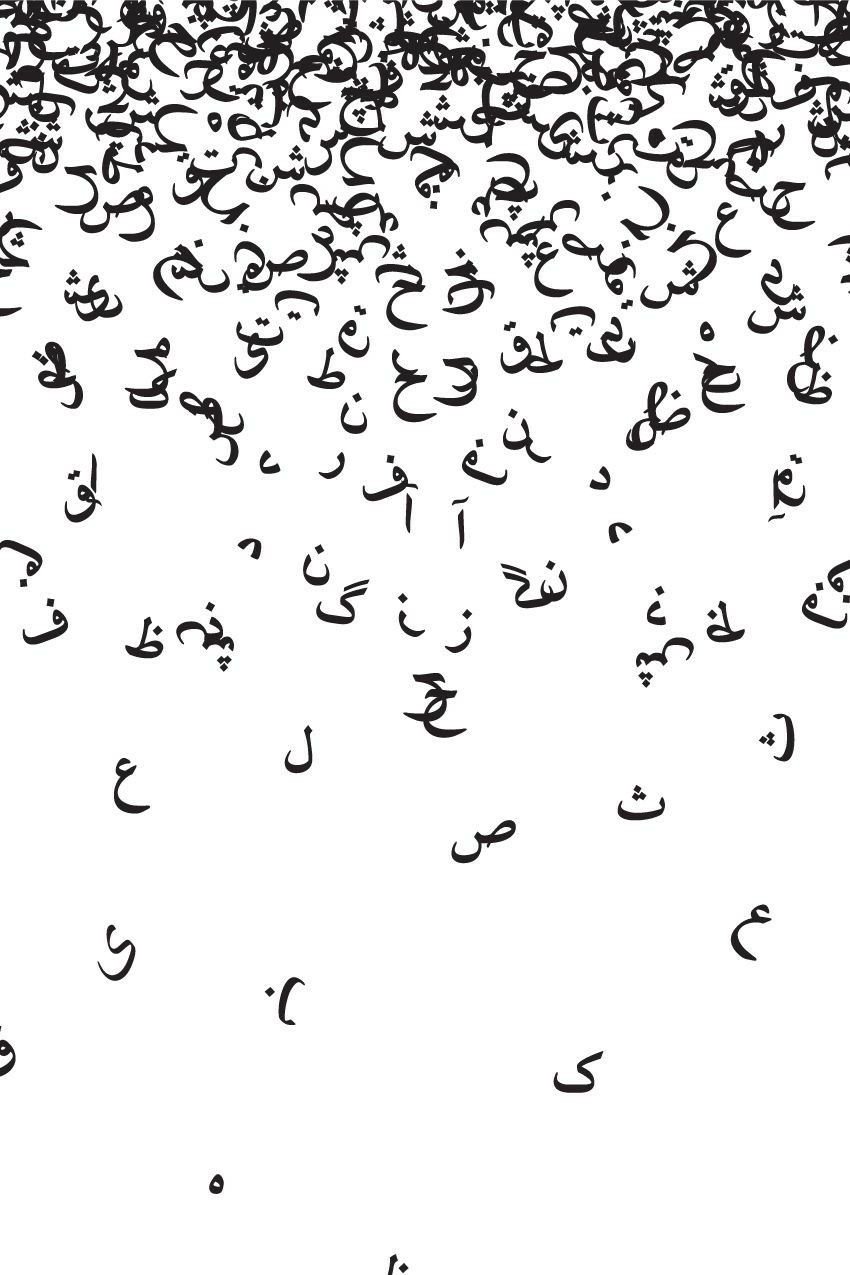
Pakistan does not search in one language. It searches in three scripts, and one of them has no spelling rules.
Watch how people actually type into a search bar or an AI assistant here. A professional in Lahore might search "best accounting software for small business". Her mother might type the same need in Urdu script. Her younger cousin might type it in Roman Urdu: Urdu words in Latin letters, spelled however feels right that day.
All three are customers. Most brands only optimize for the first.
The Roman Urdu problem
Roman Urdu is how millions of Pakistanis write in messages, comments and searches. It has no fixed spelling. The same word appears as "kapray", "kapre" and "kapde". "Khana" and "khaana". "Shaadi" and "shadi". A customer looking for wedding outfits might type any combination.
Search engines have become better at connecting variants, but not perfectly, and AI assistants interpret queries in their own ways. Brands that never consider Roman Urdu leave a large share of real searches to whoever happened to use the right spelling.
Roman Urdu has no spelling rules. Your customers type it anyway.
One need, three scripts, many spellings
Searches for wedding outfits, as Pakistani customers type them
English
wedding outfits
bridal dresses
shaadi clothes
Urdu script
شادی کے کپڑے
برائیڈل ڈریس
Roman Urdu
shaadi ke kapray
shadi k kapde
shaadi kay kapre
shadi ke kapry
No spelling rules
Research how people really type
Keyword tools are built mostly around English, and they capture the messy reality of Roman Urdu and Urdu script searches poorly. The best research combines tools with direct evidence:
- Your own search data. Google Search Console shows the queries that already bring people to your site, including the oddly spelled ones.
- Your DMs and comments. Customers write to you in the same language they search in. Their words are your keywords.
- Autocomplete. Type the start of a query in each script and note what search suggests.
- Sales and support conversations. The words customers use on the phone and in shops.
Decide which script each page uses
Putting all three scripts on every page produces clutter. A better approach gives each script the job it does best.
- English for product and service pages, technical content and anything aimed at business buyers.
- Urdu script for local landing pages, Google Business Profile updates and content for audiences who read Urdu first.
- Roman Urdu where customers already use it: FAQs written in their words, video titles and descriptions, and social captions.
Give each script a job
English
- Product and service pages
- Technical content
- Business buyers
Urdu script
- Local landing pages
- Business Profile updates
- Urdu-first readers
Roman Urdu
- FAQs in customers' words
- Video titles and descriptions
- Social captions
Cover variants without stuffing
There is a wrong way to do this: pages crammed with misspellings in the hope of catching every variant. Search engines penalize obvious stuffing, and customers find it bizarre.
The right way is natural coverage. Use the most common variant in headings. Let other spellings appear where they fit, in FAQs, quoted customer questions and image descriptions. Answer the need behind the search rather than chasing every way of typing it.
Urdu script deserves real typesetting
When you publish in Urdu script, publish it properly. Use a web font that renders Urdu well, set generous line heights and test on inexpensive Android phones. Content that looks broken loses trust before anyone reads it, and Urdu text published as images instead of text cannot be read by search engines at all.
The same rules apply to AI assistants
AI assistants are increasingly where people ask these questions, and they are often more forgiving of spelling than search boxes. That does not remove the need for clarity. If your pages describe your products only in English, an assistant answering a Roman Urdu question has to translate its way to you, and may find a competitor whose content already uses the words the customer used.
Write the facts about your business plainly, keep them consistent, and include the everyday words customers use for what you sell, in whatever script they use them.
Voice changes the picture again
Voice search and spoken conversations with AI assistants add another layer. People speak in mixed Urdu and English naturally, and the transcription decides which words the engine sees. Content that answers questions conversationally, the way people ask them out loud, fits this behavior far better than keyword-dense copy.
Optimize for how Pakistan types, not for how the tools expect it to.
Questions people ask
What is Roman Urdu?
Urdu written in Latin letters, widely used in Pakistani messages, comments and searches. It has no standard spelling, so the same word appears in several forms.
Should I add misspellings to my pages for SEO?
No. Stuffing pages with variants looks odd to readers and risks penalties. Use the common spelling in headings and let natural variants appear in FAQs and quoted customer questions.
Sources and further reading
Need help with SEO & GEO?
Technical SEO, content and authority, plus generative engine optimization, so customers find you on Google and AI assistants describe you correctly.
See how we approach SEO & GEOKeep reading
SEO vs GEO: what's the difference, and do you need both?
One gets you ranked in search results. The other gets you named in AI answers. Here's how they differ.
The answer engine problem: when customers stop clicking and start asking
Search is turning into answers. Brands now have to be inside the answer, not just near it.

Google Business Profile: the free listing most businesses leave half-finished
The listing that appears in Maps and local search is free, powerful and usually incomplete.
Ideas need good company.
Tell us what you're building.
Send a short brief. We'll reply within one working day with next steps, or an honest note if we're not the right fit.