Every Ramazan, Pakistani feeds fill with the same lanterns, the same crescents and the same greetings, from banks, biscuit brands and telecoms alike. Most of it is forgotten by Eid.
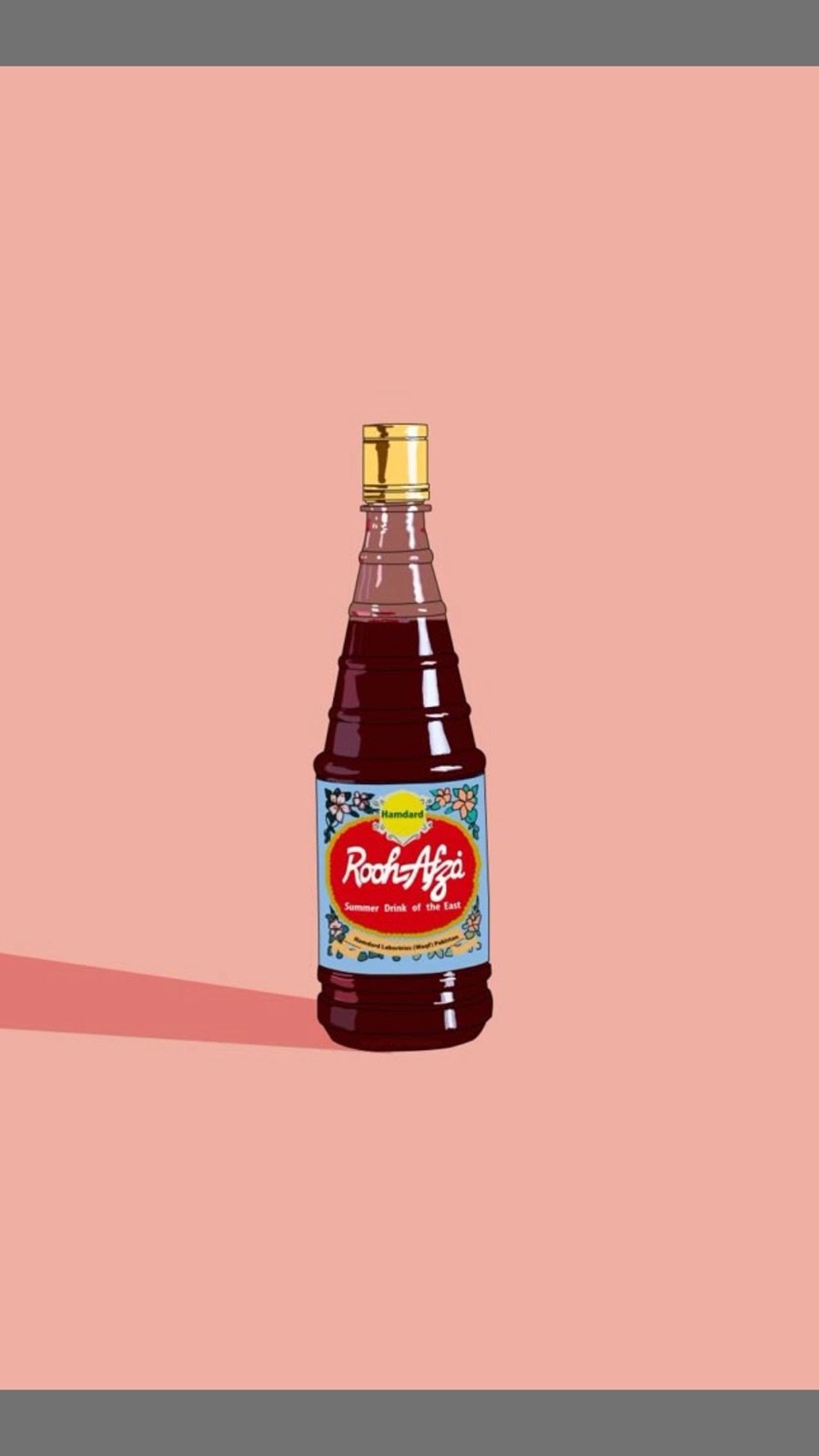
Open any social feed in the first week of Ramazan and play a simple game: cover the logos and guess the brands.
Crescent moon. Lantern. Gold on deep green or navy. A plate of dates. "Ramazan Mubarak" in an elegant script. Maybe a family at an iftar table, lit warmly. The bank looks like the biscuit company. The biscuit company looks like the telecom. The telecom looks like last year.
This is the Ramazan sameness problem, and it repeats at Eid, Independence Day, Mother's Day and every other date on the content calendar.
Why everyone ends up in the same place
The cause is simple. Brands start with the season instead of starting with themselves.
The brief says "Ramazan post." The designer reaches for the visual vocabulary of Ramazan, which everyone shares. The copywriter reaches for the greeting, which everyone uses. The result is technically correct and emotionally interchangeable.
There is also caution at work. Religious occasions feel sensitive, and brands avoid risk by sticking to familiar symbols. Familiar symbols feel safe. They are also invisible.
When every brand borrows the season's symbols, the season wins and every brand loses.
The cost of the generic greeting
Seasonal posts are not free. They take production time and ad budget in some of the most expensive weeks of the year, when attention is crowded and media costs rise. A post that cannot be told apart from a competitor's spends that budget on the category, not the brand.
Worse, generic seasonal content can feel hollow. Audiences know that brands are selling. A greeting with nothing behind it can read as a brand trying to borrow the warmth of the occasion without contributing anything to it.
Start with your role, not the symbol
Brands escape the sameness problem by asking a different question: what is our actual role in people's lives during this season?
A food brand might own the frantic hour before iftar. A telecom might own the late-night calls to relatives abroad. A pharmacy might own the practical questions about medicines and fasting, with care and accuracy. A ride-hailing service might own the rush to get home before the azaan. A clothing brand might own the chaand raat scramble.
These roles are specific, human and true. They give the brand something to say that only it can say.
Borrowing the season versus bringing your brand
Borrowed symbols
- Crescent and lantern
- Gold on green
- Ramazan Mubarak, in script
- Could be any brand
The brand's own moment
- The hour before iftar
- Late calls to family abroad
- The rush home before azaan
- Only this brand could say it
Keep your own codes
The second escape is visual. Many brands abandon their identity during festivals, swapping their colors for the season's greens and golds. For a few weeks, they disappear into the crowd.
Brands with strong identities do the opposite. They bring the season into their own visual world: their colors, their typography, their characters, their formats, adapted with care but still recognizably theirs. The season becomes a setting, not a costume.
Find your moment in the season
| Category | The moment | What to offer |
|---|---|---|
| Food | The hour before iftar | Speed and simplicity |
| Telecom | Late calls to family abroad | Connection |
| Pharmacy | Questions about medicines and fasting | Careful, accurate answers |
| Ride-hailing | The rush home before azaan | Reliability |
| Clothing | Chaand raat | Last-minute certainty |
Respect without cliché
Avoiding sameness does not mean being flippant. Religious occasions deserve care, and audiences notice when brands get it wrong. The safest path to standing out is not provocation. It is specificity: real details, real moments and genuine usefulness, delivered in the brand's own voice.
- Plan early. Seasonal content made in the last week is always generic, because there is no time to think.
- Write from observation. Spend time noting what actually happens in homes, markets and streets during the season.
- Offer something useful. Information, service changes, a small convenience. Usefulness is the most respectful form of greeting.
- Stay consistent across the season. One idea carried from the first roza to Eid builds more than thirty unrelated posts.
Thirty posts or one idea
Each square is one day of Ramazan
Thirty posts, thirty unrelated ideas
One idea, carried from the first roza to Eid
A better test
Before approving any seasonal post, cover the logo. If someone can still tell which brand made it, it is ready. If it could belong to anyone, it belongs to no one.
Bring your brand to the season, not the season to your brand.
Questions people ask
Why do Ramazan campaigns look the same?
Brands start with the season's shared symbols, such as crescents, lanterns and greetings, instead of their own role in customers' lives during the month.
How can a brand stand out during Ramazan?
Find the specific moment your brand matters in, keep your own visual codes, offer something useful and carry one idea through the whole month.
Need help with Social Media Marketing?
A monthly content engine: strategy, design, reels, copy, posting and community management, reported every month.
See how we approach Social Media MarketingKeep reading

How often should a brand post? Why consistency beats volume
There is no magic number of posts per week. There is a rhythm you can sustain, and that is what matters.
Facebook, Instagram or TikTok: where your customers actually spend their time
A simple way to decide which platforms deserve your effort, without trying to be everywhere.
How to read your monthly social media report
Reach, impressions, engagement, saves. What the numbers mean and which ones deserve your attention.
Ideas need good company.
Tell us what you're building.
Send a short brief. We'll reply within one working day with next steps, or an honest note if we're not the right fit.