Monthly social media reports are full of numbers. A few of them tell you whether your money is working. The rest are context.
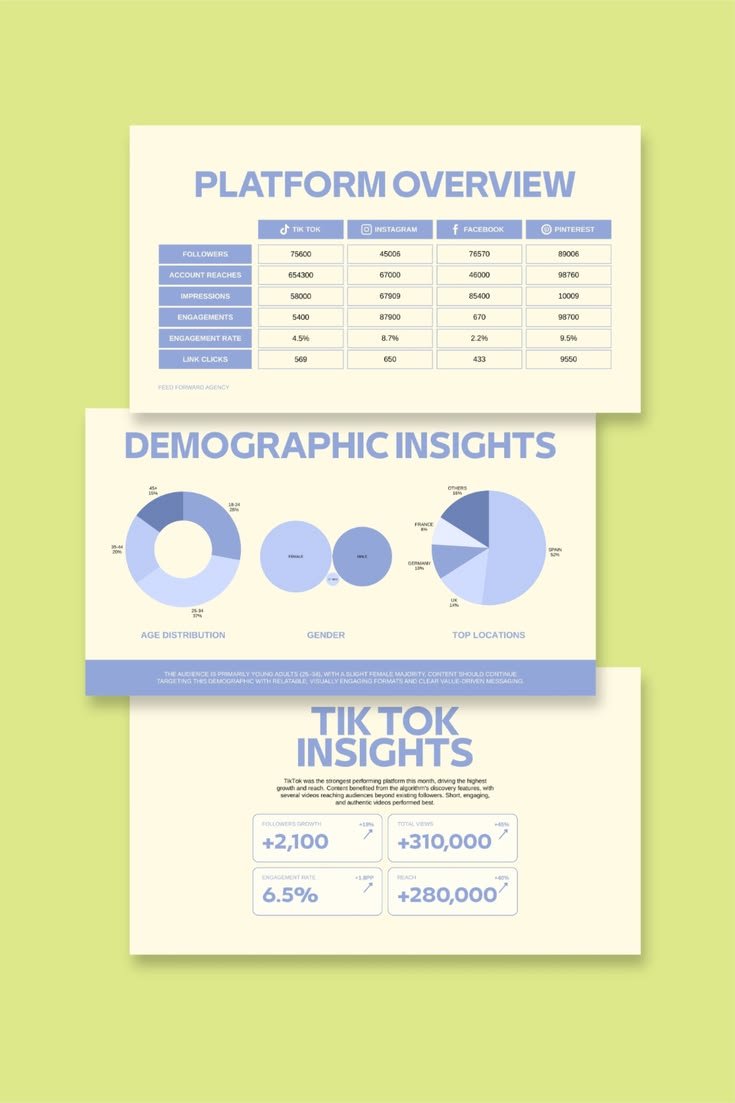
A social media report should answer one question: is this working for the business?
Many reports bury that answer under charts. Here is how to read one quickly and ask the right questions.
The terms, in plain language
- Reach: how many different people saw your content.
- Impressions: how many times your content was shown, including repeat views by the same people.
- Engagement: likes, comments, shares and saves combined.
- Engagement rate: engagement divided by reach, which shows how interesting people found the content.
- Saves and shares: people keeping your post for later or sending it to someone else.
- Profile visits and link clicks: people taking a step toward you.
- Messages: people starting a conversation, often the first step to a sale.
- Follower growth: how many new followers you gained, minus those who left.
The numbers that matter most
Not all metrics are equal. Ranked roughly from most to least useful for most businesses:
- Inquiries and sales that can be traced to social media.
- Messages, link clicks and profile visits, because they show intent.
- Saves and shares, because they show content people value.
- Reach among the right audience, because visibility to the wrong people is not worth much.
- Likes and follower count, useful as context but weak as goals.
Likes tell you people noticed. Messages tell you people wanted something.
Which numbers matter most
Questions to ask about any report
- Compared to what? Numbers mean little without last month and the same month last year.
- Which posts performed best, and why? Look for patterns in format, topic and timing.
- Which posts underperformed? Good reports explain failures, not just wins.
- Did paid and organic results get mixed together? They should be shown separately.
- What changes next month? A report that does not lead to decisions is just a record.
A one-page report you can read in ten minutes
- 1A summary in plain languageWhat happened and why
- 2Numbers against last monthContext, not just totals
- 3The best and the weakestWith reasons
- 4What changes next monthDecisions, not a record
Ask for trends over three months, not just one. Social media results swing with seasons, launches and news, so a single month can mislead. And ask to see organic and paid results separately, so you know what your ad spend is actually adding.
Warning signs
Be cautious if a report only shows rising impressions with no sign of messages or sales, if it highlights vanity numbers without context, or if it never mentions anything that didn't work. Every month has something that didn't work. Honest reports say so.
A five-minute routine
When the report arrives, read it in this order: the summary, then inquiries and sales, then the best and worst posts, then next month's plan. Write down one question to ask your agency or team. If you can't think of a question, ask: "What would you do differently if this were your money?"
What a good report includes
A short summary in plain language, the key numbers compared with previous periods, the best and worst content with reasons, insights from comments and messages, and clear plans for next month.
You should be able to read it in ten minutes and know whether to keep going, change course or ask harder questions.
Questions people ask
What is the difference between reach and impressions?
Reach is how many different people saw your content. Impressions count every time it was shown, including repeat views by the same people.
Which social media metrics matter most?
Inquiries and sales you can trace, then messages, link clicks and profile visits, then saves and shares. Likes and follower counts are context, not goals.
Need help with Social Media Marketing?
A monthly content engine: strategy, design, reels, copy, posting and community management, reported every month.
See how we approach Social Media MarketingKeep reading

How often should a brand post? Why consistency beats volume
There is no magic number of posts per week. There is a rhythm you can sustain, and that is what matters.

Facebook, Instagram or TikTok: where your customers actually spend their time
A simple way to decide which platforms deserve your effort, without trying to be everywhere.
The feed is a shelf: recall, repetition and the quiet economics of being recognized
Social media rewards brands that are recognized in a scroll, not brands that try to be new every day.
Ideas need good company.
Tell us what you're building.
Send a short brief. We'll reply within one working day with next steps, or an honest note if we're not the right fit.